


Flake Broadcast vs. Quartz Broadcast vs. Sand Broadcast
Posted by Floorguard Products on Jun 10th 2026
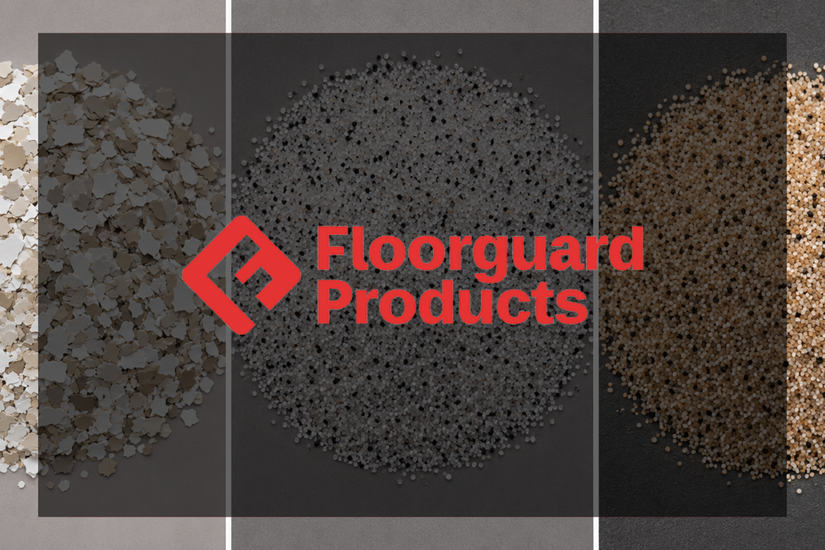
Understanding the Differences in Strength, Durability, and Slip Resistance
One of the most common questions in resinous flooring is:
"Which system is stronger—flake, quartz, or sand broadcast?"
The answer surprises many people.
The strength of a flooring system is not determined solely by the resin.
It's also heavily influenced by the aggregate being incorporated into the system.
Think of aggregate as the reinforcing component within the floor.
The aggregate affects:
- Wear resistance
- Impact resistance
- Slip resistance
- Surface texture
- Aesthetics
- Overall durability
While flake, quartz, and sand broadcast systems may appear similar from a distance, they were designed to accomplish very different goals.
Choosing the wrong one can lead to unnecessary maintenance, safety concerns, or reduced service life.
Choosing the right one can significantly improve floor performance for years.
What Is a Broadcast System?
A broadcast system is created by applying aggregate into wet resin and then encapsulating that aggregate beneath subsequent resin layers.
The broadcast aggregate becomes an integral part of the flooring system.
The type of aggregate selected largely determines the floor's final appearance and performance characteristics.
Flake Broadcast Systems
The Most Popular Decorative Flooring System
Decorative flake systems use vinyl color flakes broadcast into a resin basecoat.
After broadcasting, excess flake is removed and the floor is sealed with protective topcoats.
The result is a decorative floor with visual depth, color variation, and a textured appearance.
What Flake Does Best
- Attractive appearance
- Hides dirt and imperfections
- Excellent cleanability
- Decorative color options
- Moderate slip resistance
- Comfortable texture underfoot
Because flake systems combine aesthetics and durability, they have become one of the most popular flooring systems in commercial and residential applications.
Typical Flake Applications
- Automotive dealerships
- Garages
- Showrooms
- Retail spaces
- Schools
- Commercial facilities
- Light industrial environments
Flake's Limitations
While highly durable, flake itself is not a structural aggregate.
The vinyl flakes primarily contribute to:
- Appearance
- Texture
- Visual depth
They contribute less to overall system hardness than mineral aggregates such as quartz or sand.
Quartz Broadcast Systems
Decorative Performance Flooring
Quartz systems utilize specially graded and pigmented silica quartz aggregates broadcast into resin.
Unlike vinyl flakes, quartz is a mineral aggregate.
This provides significant performance advantages.
What Quartz Does Best
- Excellent abrasion resistance
- Excellent impact resistance
- High durability
- Decorative appearance
- Superior slip resistance
- Enhanced wear resistance
Quartz systems effectively bridge the gap between decorative and functional flooring.
They provide far more structural reinforcement than flake systems while still maintaining attractive aesthetics.
Typical Quartz Applications
- Food processing facilities
- Commercial kitchens
- Healthcare facilities
- Pharmaceutical facilities
- Schools
- Manufacturing facilities
- Laboratories
These environments often require both appearance and performance.
Why Quartz Is Stronger
Quartz is significantly harder than vinyl flake.
When broadcast throughout the flooring system, it creates a highly reinforced wear layer capable of withstanding substantial traffic and abrasion.
Think of quartz as decorative aggregate with industrial-grade performance.
Sand Broadcast Systems
The Industrial Workhorse
Sand broadcast systems utilize silica sand or engineered mineral aggregates fully broadcast into resin.
Unlike decorative systems, sand broadcasts are generally selected for performance first and appearance second.
This is where many of the industry's toughest floors are found.
What Sand Does Best
- Maximum abrasion resistance
- Excellent impact resistance
- Exceptional wear resistance
- Superior traction options
- Industrial durability
- Long-term performance
Sand broadcast systems are frequently used in environments where aesthetics are secondary to functionality.
Typical Sand Broadcast Applications
- Manufacturing facilities
- Distribution centers
- Heavy industrial facilities
- Aircraft hangars
- Equipment maintenance facilities
- Utility plants
- Industrial processing areas
These environments demand durability above all else.
Why Sand Broadcast Systems Are So Durable
Sand is a hard mineral aggregate that reinforces the entire flooring system.
A fully broadcast sand floor essentially becomes a highly reinforced composite structure.
The aggregate absorbs wear while protecting the surrounding resin matrix.
This significantly extends system life in demanding environments.
Comparing Overall Performance
Slip Resistance: Where Differences Become Significant
One of the biggest differences between these systems is traction.
Flake Systems
Flake systems generally provide:
- Moderate slip resistance
- Comfortable walking surface
- Easier cleaning
Because the flakes are encapsulated beneath topcoats, texture is typically controlled by the topcoat and optional traction additives.
Quartz Systems
Quartz naturally creates more surface texture.
Benefits include:
- Enhanced traction
- Better wet-slip resistance
- Improved pedestrian safety
Quartz systems are frequently selected where moisture is routinely present.
Sand Broadcast Systems
Sand broadcasts offer the highest traction potential.
These systems can be designed with:
- Moderate texture
- Heavy texture
- Extreme industrial texture
The tradeoff is that increased texture can also make cleaning more difficult.
When Appearance Matters Most
Choose Flake Broadcast.
Ideal when:
- Appearance drives the specification
- Moderate durability is required
- Decorative aesthetics are important
When Appearance and Performance Are Both Important
Choose Quartz Broadcast.
Ideal when:
- Durability matters
- Slip resistance matters
- A decorative appearance is still desired
Quartz often represents the best balance between aesthetics and functionality.
When Maximum Durability Is Required
Choose Sand Broadcast.
Ideal when:
- Heavy traffic is expected
- Abrasion is severe
- Industrial performance is the priority
- Long-term durability is critical
The Rise of Urethane Cement Broadcast Systems
One of the fastest-growing segments in the industry combines:
Urethane Cement + Flake
or
Urethane Cement + Quartz
These systems deliver:
- Thermal shock resistance
- Moisture tolerance
- Chemical resistance
- Decorative appearance
- Enhanced slip resistance
- Industrial durability
This is why urethane cement flake and quartz systems are increasingly specified in food and beverage facilities, breweries, pharmaceutical plants, and processing environments.
They provide the aesthetics of decorative flooring with the performance of a functional flooring system.
A Simple Rule to Remember
Flake = Appearance First
Quartz = Appearance + Performance
Sand = Performance First
None are inherently "better."
Each was designed to solve a different problem.
Bottom Line
Flake, quartz, and sand broadcast systems all provide durable resinous flooring solutions—but they serve different purposes.
Flake systems excel in decorative environments.
Quartz systems balance aesthetics with industrial-grade durability.
Sand broadcast systems deliver maximum wear resistance, impact resistance, and traction in demanding industrial settings.
The best system isn't determined by what looks best on installation day.
It's determined by how well the floor performs under the conditions it will face every day for years to come.